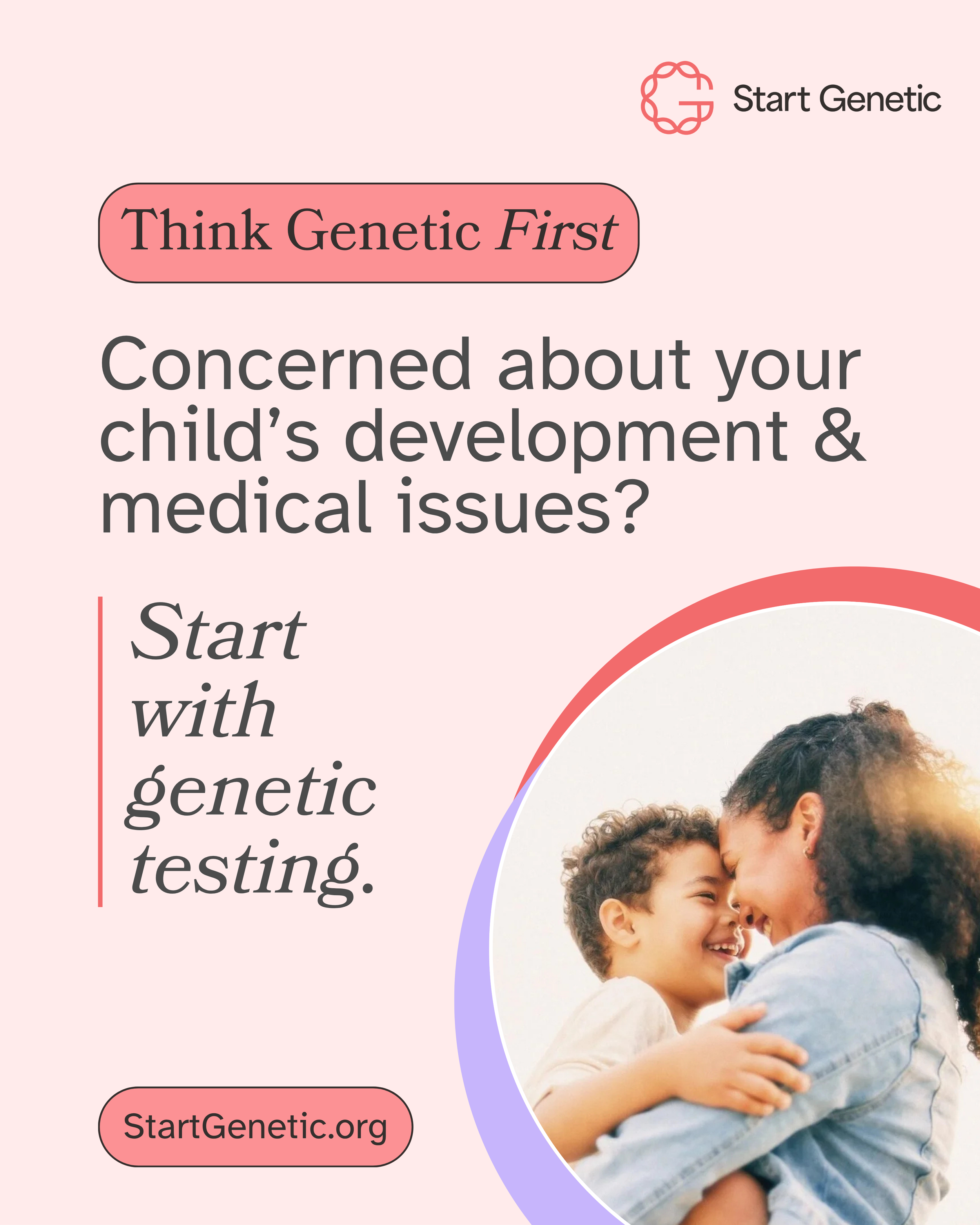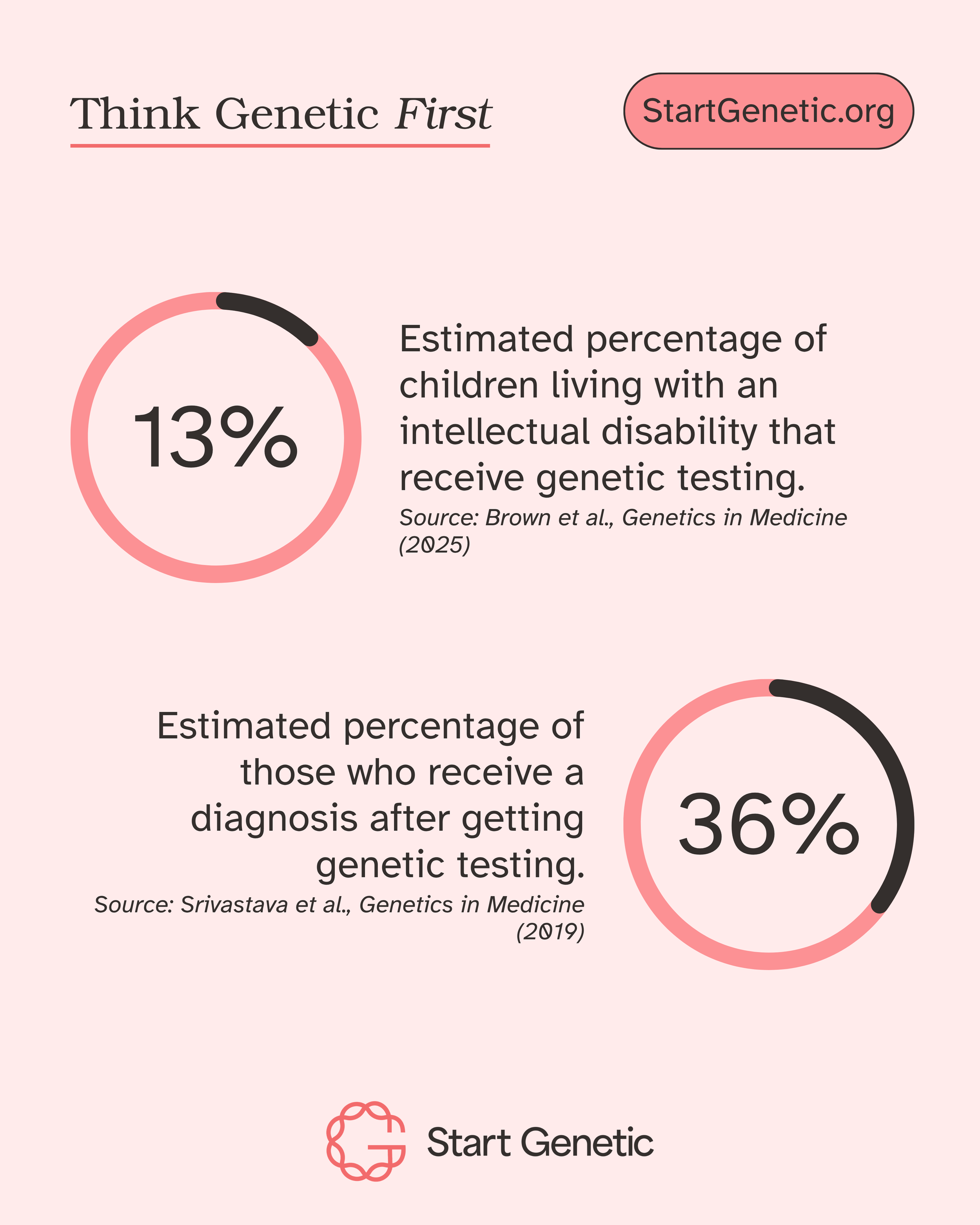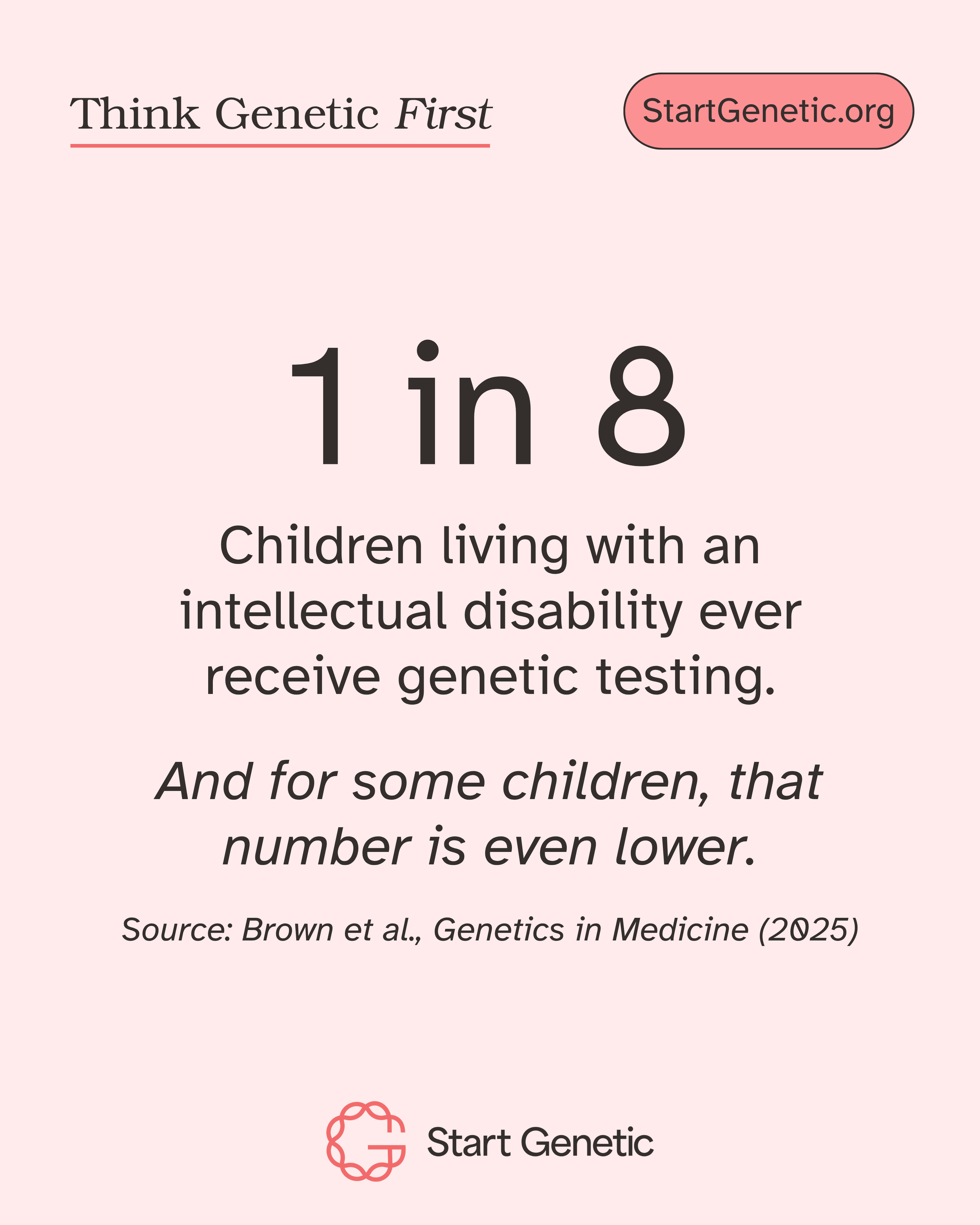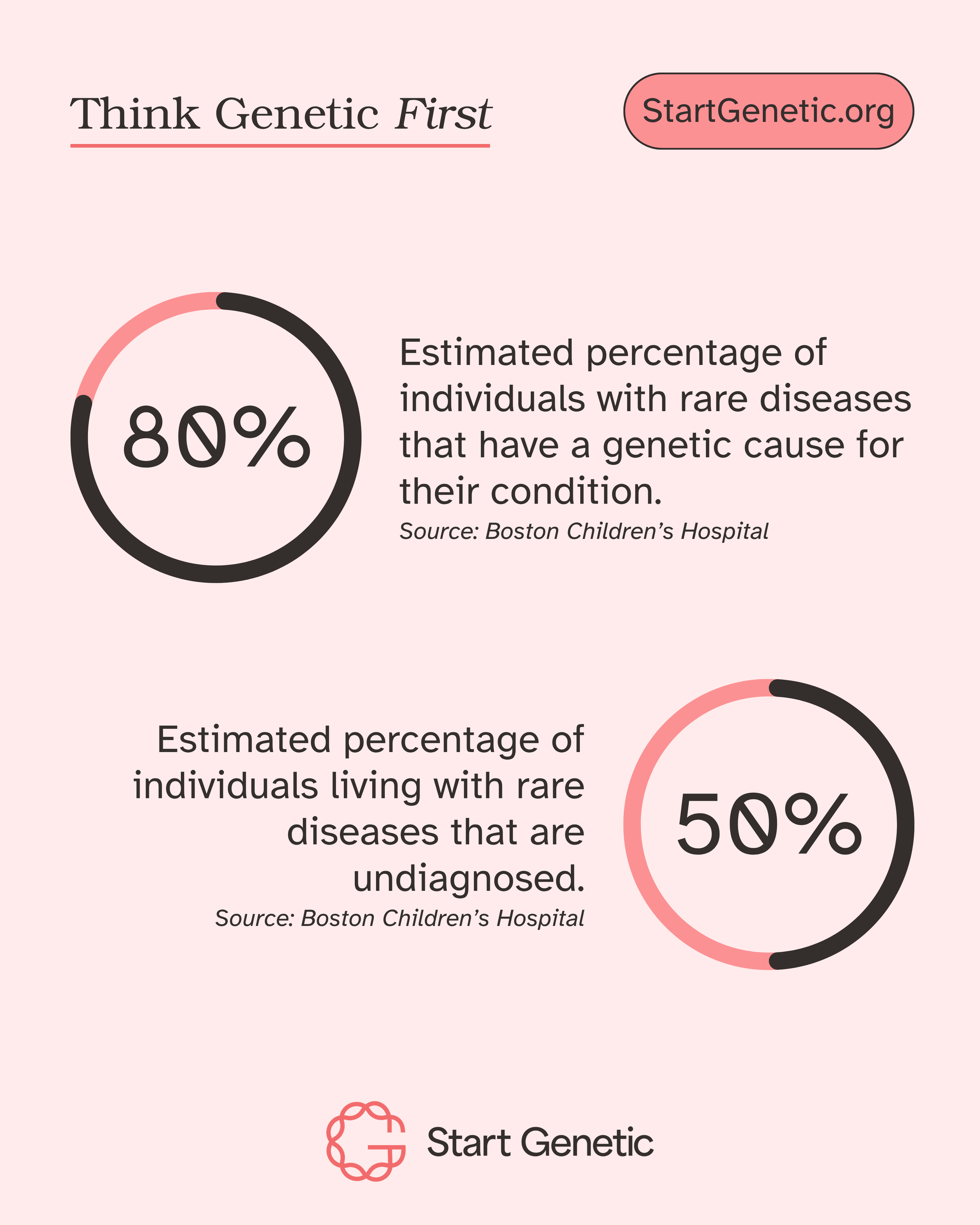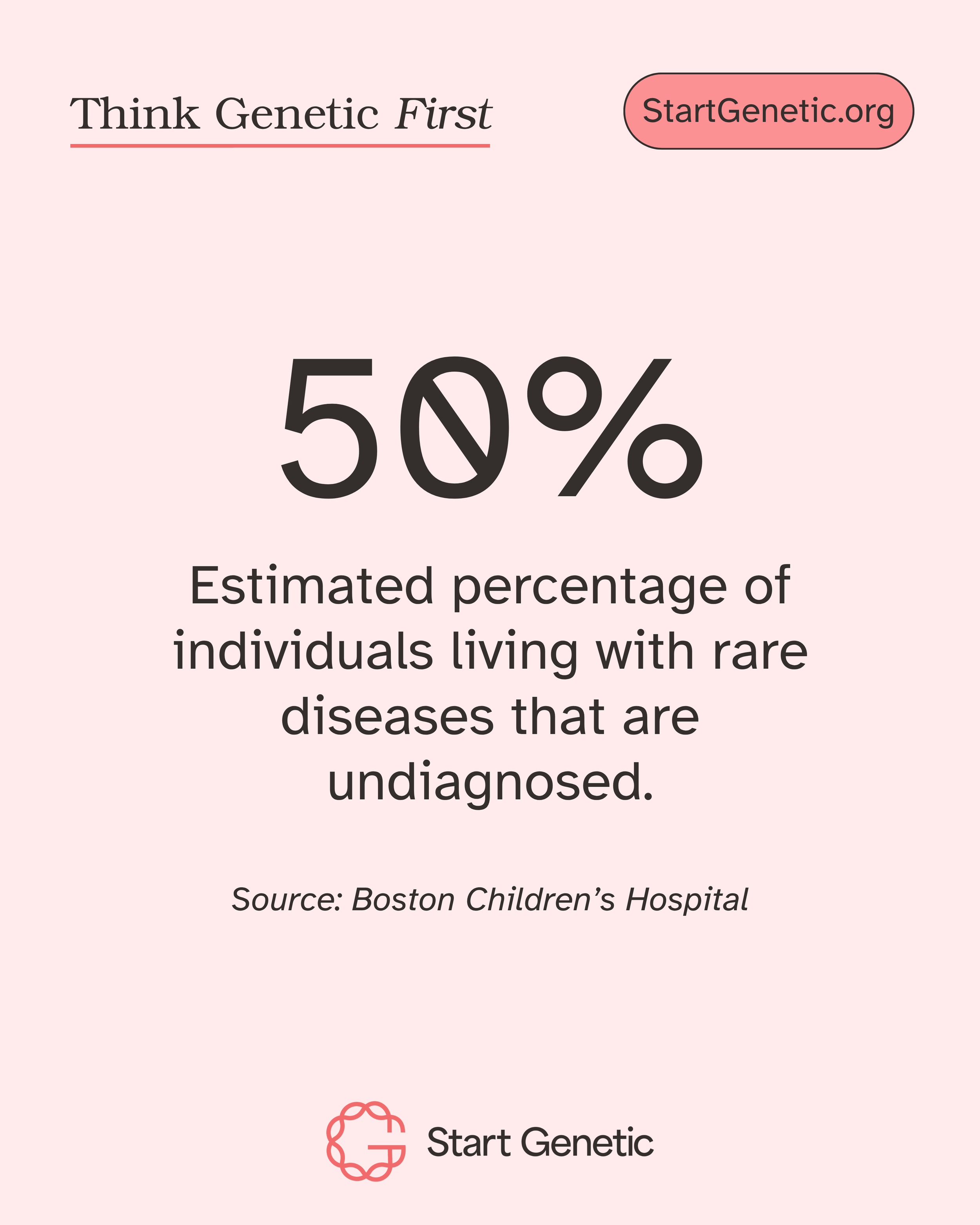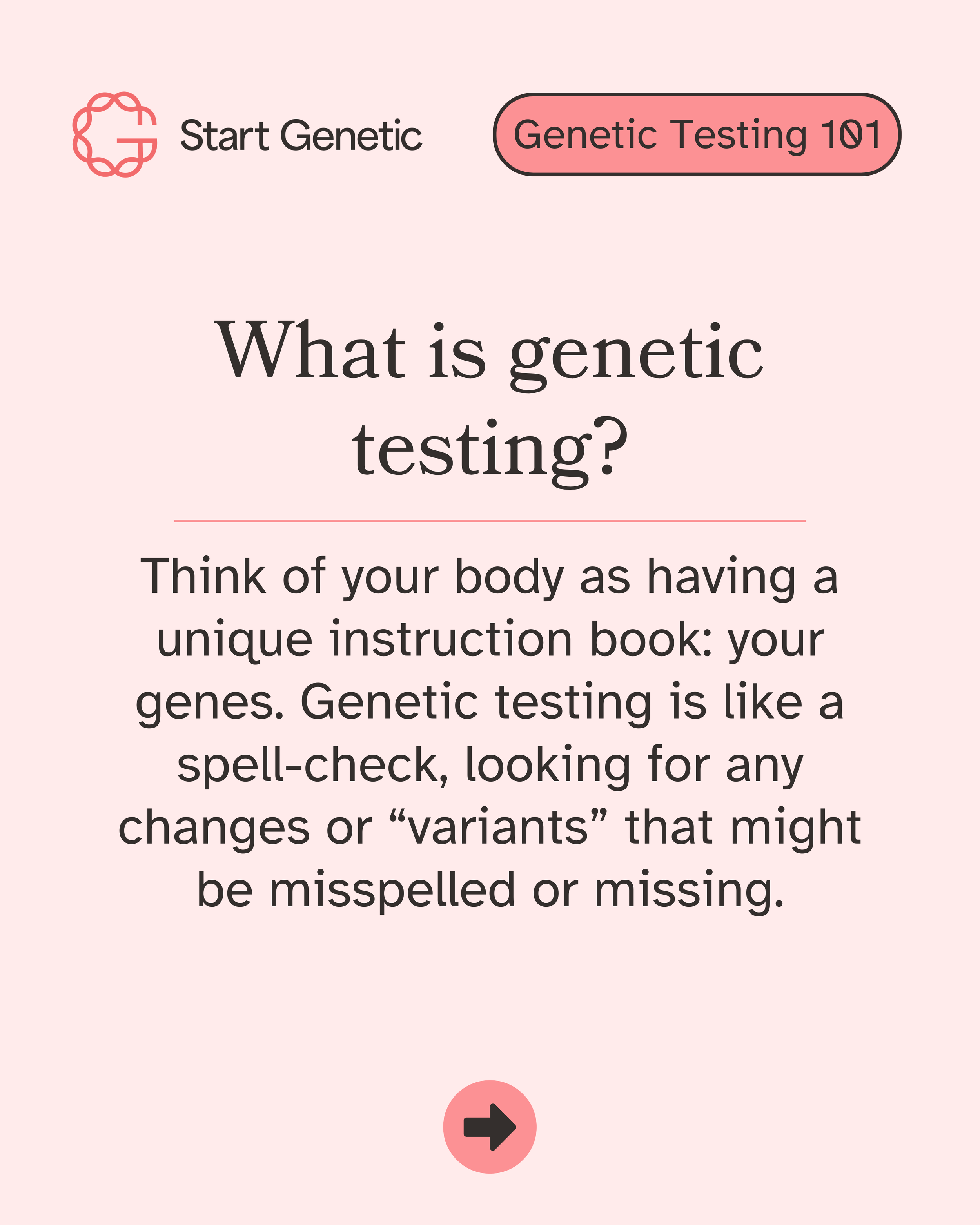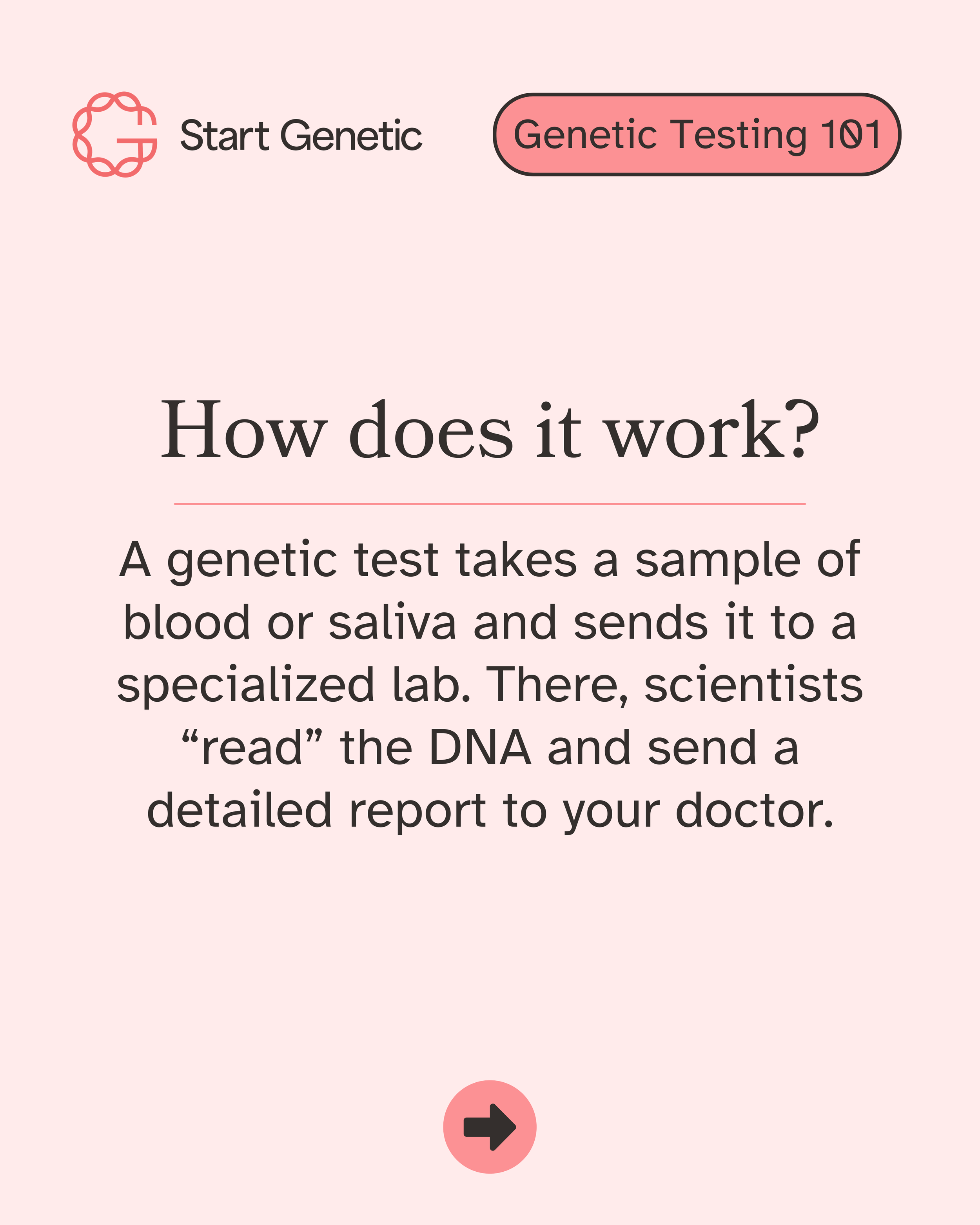
Genetic tests can find the genetic reason for health or developmental challenges. This helps your doctors identify related problems early and manage them better.
Understanding your genetic diagnosis helps doctors recommend treatments and medicines that work best for you. It can also give you a better idea of what your health might be like in the future.
A genetic diagnosis can help you connect with disease-specific clinical trials, research studies, and community and support resources.
Genetic testing can help you learn about health traits that run in your family.
Genetic testing is often recommended for:
If the above sounds like you or your child, it’s a good idea to discuss genetic testing with your doctor—even if you’ve had testing done before. The science of genetics is always advancing, and newer tests may identify genetic changes that older tests couldn’t. Talking with your doctor or a genetic counselor can help you decide if updated testing may help.
Even if you’ve already been diagnosed with a condition, genetic testing can still help to:
Start Genetic was born from the vision and dedication of patient advocates and genetics professionals who share a core belief: everyone with a genetic condition has the right to access genetic testing and receive an accurate and timely diagnosis.
This knowledge is crucial for improving care, management, and overall well-being. We are committed to bridging the gap between the latest advancements in genetic testing and the individuals and families who can benefit from them.
Our goals are to:
Genetic Testing Action Day is observed each year on July 25—the birthday of Rosalind Franklin, PhD, (1920-1958). A scientist at King’s College London in 1952, Dr. Franklin’s groundbreaking contributions, including “Photograph 51,” forever changed our understanding of DNA and laid the foundation for the incredible advances in genomics and medicine we see today.
| Name | Affiliation |
|---|
| Emily Amerson | CTNNB1 Connect & Cure |
| Wunmi Bakare | ThroughTheGenes Podcast |
| Jenny Graham Beeson | CureSHANK |
| Terry Jo Bichell | COMBINEDBrain |
| Geraldine Bliss | CureSHANK |
| Wendy Chung | Boston Children’s Hospital |
| Gabi Conecker | DEEP Connections |
| Alycia Halladay | Alliance of Genetic Etiologies of Neurodevelopmental Disorders and Autism |
| Ingo Helbig | Children’s Hospital of Philadelphia |
| Misia Kowanda | Simons Searchlight |
| David Ledbetter | Florida State University Medical College |
| Abby Lievense | CureSHANK |
| Pilar Magoulas | Baylor College of Medicine |
| Christa Lese Martin | Geisinger |
| Effie Parks | Once Upon A Gene |
| Katy Phelan | Florida Cancer Specialists |
| Maria Picone | TREND Community |
| Charlene Son Rigby | Global Genes |
| Erin Rooney Riggs | Geisinger |
| Elizabeth Rountree | COMBINEDBrain/Project FIND-OUT |
| Talya Emery Silva | CureSHANK |
| Sid Srivastava | Boston Children’s Hospital |
| Ashley Swift | CTNNB1 Connect & Cure |
| Jennifer Tjernagel | Simons Searchlight |
| Judith Ursitti | Profound Autism Alliance |