Whether you’re just starting out or navigating next steps, the resources on this page are designed to help at any stage of the genetic testing process and to help you speak up for yourself or your loved one along the way.
The Patient & Family Toolkit is a step-by-step guide to help you as you navigate the genetic testing journey. This toolkit includes tips for starting the conversation with your doctor, knowing your rights, and knowing what to do if you experience push-back. Click the ‘Patient & Family Toolkit’ button below to download the toolkit.
The Patient Advocacy Group Toolkit is your guide for amplifying awareness on social media. Inside, you’ll find ready-to-share graphics, captions, and posting tips to help you raise awareness for genetic testing. Click the ‘Patient Advocacy Group Toolkit’ button below to download and get started.
Find community and support.


What Is Genetic Testing?
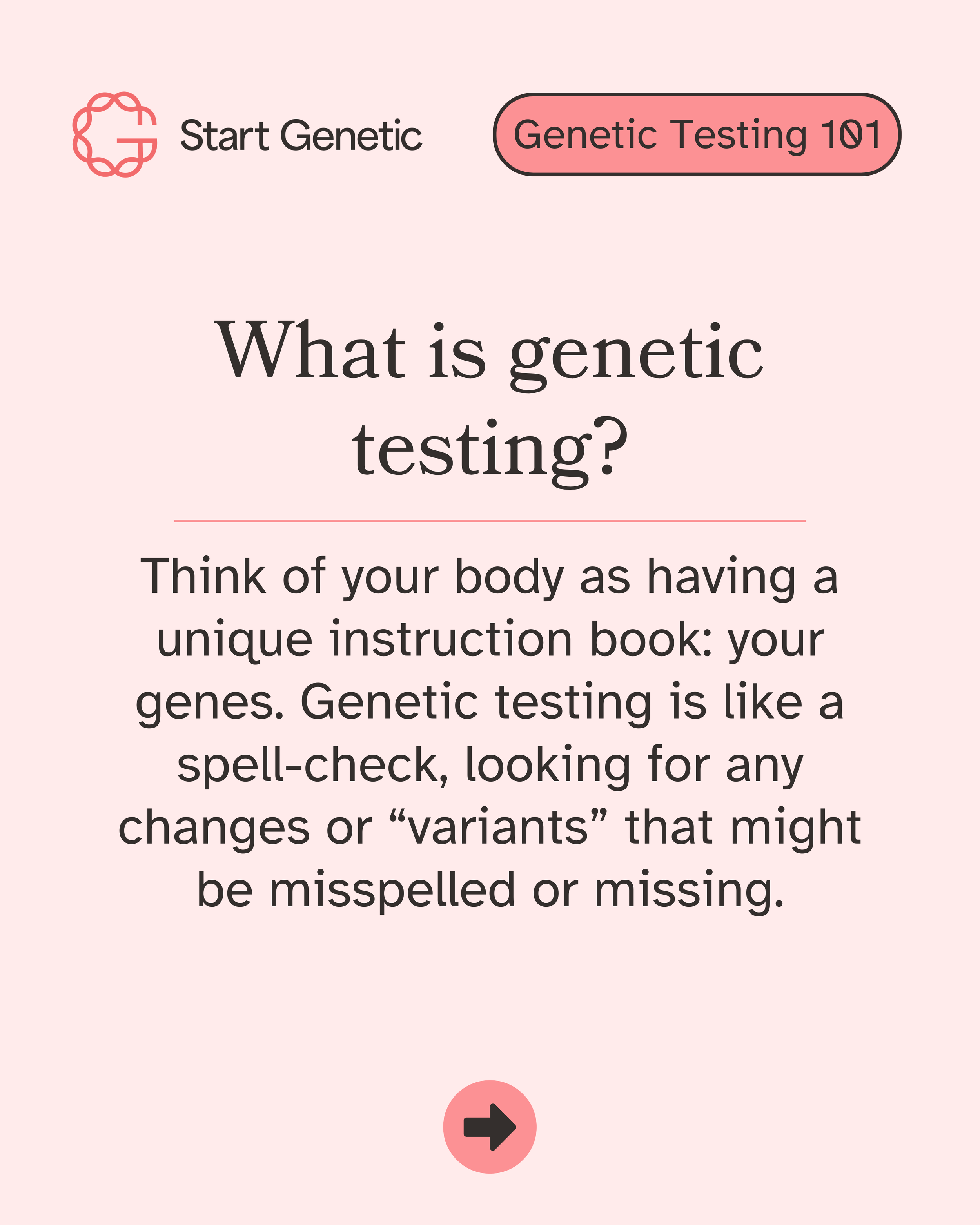
Your genes are a powerful tool for health. Think of your body as having a unique instruction book: your genes. Genetic testing is like a spell-check for these instructions, looking for any changes or “variants” that might be misspelled or missing.
Sometimes, these variants are passed down from parents or grandparents. But many times they are happening for the very first time in a child – with no family history at all.
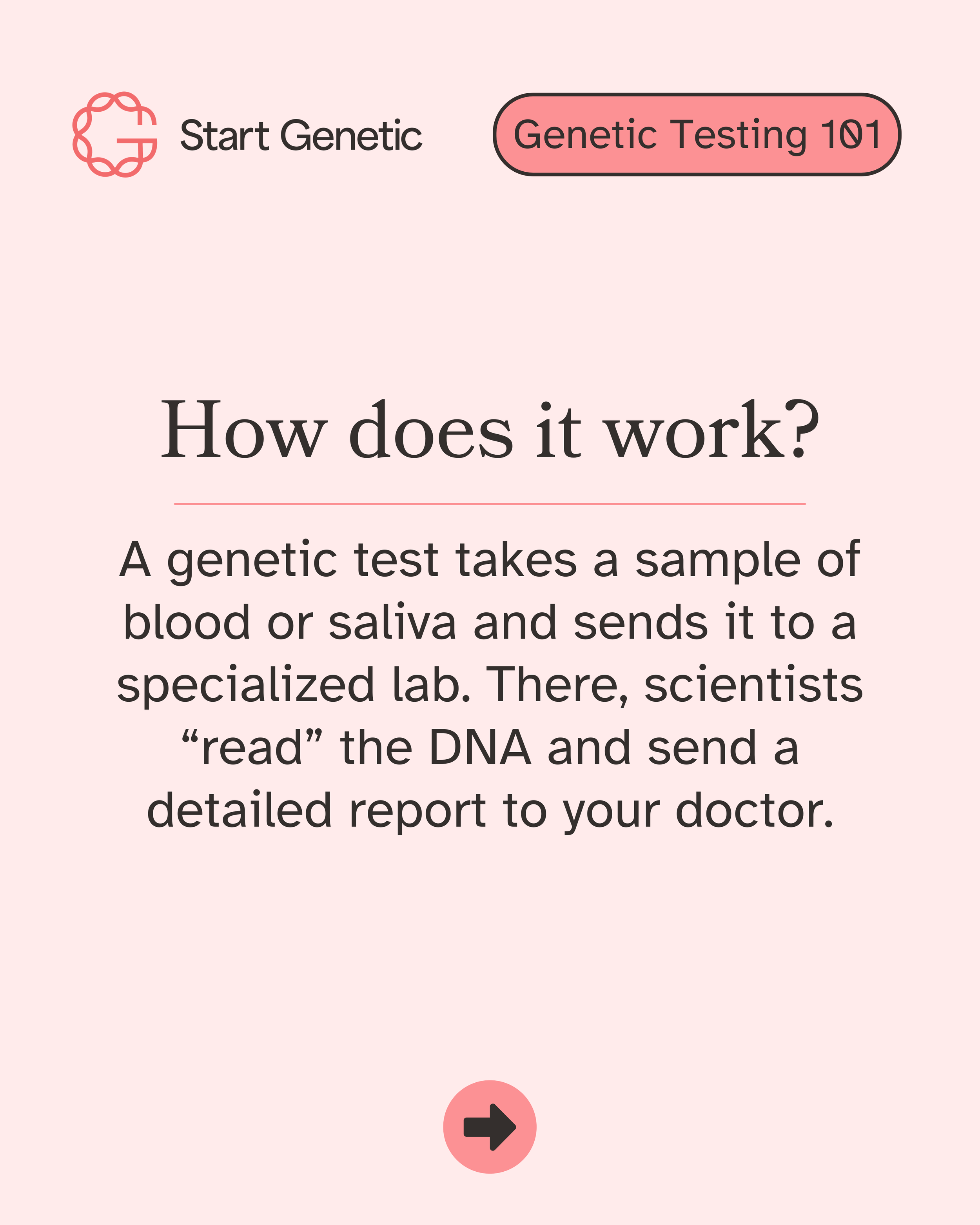
Genetic testing may help find these changes in you or your loved one’s genes. A genetic test uses a sample of blood or saliva sent to a specialized lab. There, scientists “read” the DNA and send a detailed report to your doctor, who can explain what the results mean for you.
Variants can be linked to certain conditions like autism or epilepsy. Identifying them can unlock a path to care that would otherwise take years to find.
Learn About Genetic Testing For Kids
If your child has developmental delays, autism, epilepsy, or unexplained symptoms, genetic testing can help you unlock answers, community, and a path forward.
Learn more at the Genetic Support Foundation.

How to Ask About Genetic Testing
You have the right to find out about accessing reliable and comprehensive genetic testing. Here’s how to start the conversation:
Have an open conversation with your doctor. They can assess your child’s specific situation and determine if genetic testing could be helpful.
Consider talking to a genetic counselor. These experts can also discuss testing options and help you make decisions to meet your family’s needs.
Speak up for your child and your family. There are programs that can help you find genetic counselors and testing options if you need additional guidance.
Not sure how to start the conversation? Consider asking the following questions:
"My child has [condition], and I understand there are professional guidelines for genetic testing for this condition. How can we get genetic testing done?"
“I don't know if there are professional guidelines for genetic testing for people with my child's condition. Can you tell me more about genetic testing?"
What To Do if Your Doctor Pushes Back
Common reasons doctors may avoid genetic testing:
Cost of testing
Insurance coverage limitations
Genetic diagnosis won’t affect treatment methods
Belief that testing is inaccurate or will cause more confusion
Lack of awareness about genetic testing guidelines
If your doctor mentions any of the above, we recommend that you direct them to the For Healthcare Professionals section of this website.

Ask About All Genetic Testing
There are many types of genetic tests. Even if you already did genetic testing, ask again. If a previous test didn’t find an answer, your child may still have a discoverable genetic condition.
Newer tests can often detect genetic changes that older tests cannot, but sometimes insurance companies or Medicaid require trying older tests first.
Consider asking: “Have we done ALL the recommended or available tests for a person with my child’s symptoms? Is a sequencing test an option?”

What is sequencing?
There are two types of genomic sequencing tests: Whole Exome Sequencing (WES) or Whole Genome Sequencing (WGS). If your previous genetic tests did not contain the word “sequencing,” ask your doctor about “exome” and “genome” sequencing tests.
Whole Exome Sequencing (WES): This test reads the exome, which are the parts of your DNA that instruct your body on how to build proteins. Most known genetic conditions can be traced back to the exome, so providers often start here to identify any disease-causing variants.
Whole Genome Sequencing (WGS): Considered the most comprehensive genetic testing available, this method reads your entire DNA code, not just the exome. Whole genome sequencing often picks up on changes that exome sequencing or other genetic tests might miss.
We recommend that you talk to your doctor or a genetic counselor to determine which kind of testing would be right for you or your loved one. Remember, you have a right to access genetic testing so ask again or consider a second opinion if you face any push-back.
Know Your Rights
It's your right to understand your child's health information, including any genetic conditions.
In the U.S., the Genetic Information Nondiscrimination Act (GINA) protects you against discrimination based on genetic information when it comes to health insurance and employment. However, GINA may not apply to health plans with fewer than 15 employees, life insurance, disability insurance, or long-term care insurance.
You can always ask for a second opinion, and you always have the right to speak up for your child and your family.

Cost of Genetic Testing
Many insurance plans, including Medicaid, now cover the genetic tests you might need. If your insurance company says no at first, you have a couple options that may work:
Ask them again (also known as “an appeal”)
Ask the doctor to call them (also known as “a peer-to-peer appeal”)
If your insurance denies coverage or if you are required to pay a large amount yourself (such as a high co-pay), there may be other options available that you can discuss with your doctor. These options include research studies, sponsored testing, or financial assistance. Some of these studies give you a report that can be shared with your doctor to help make decisions about you or your loved one’s care.
Additional Resources
Genetic testing can be a complex experience. We’ve created the following resources to help you as you navigate each step of the genetic testing process.
-
A plain-language guide to the terms you’ll encounter during the genetic testing process.
De novo - A genetic change that occurs for the first time in a person and is not inherited from their parents.
Genetic counselor - Genetic counselors have advanced training in medical genetics and counseling to guide and support patients seeking more information about how inherited diseases and conditions might affect them or their families, and to interpret genetic test results based on your personal and family history.
Gene - A gene is a specific segment of DNA on a chromosome that carries the instructions for making proteins or RNA molecules.
Variant - A gene variant is a permanent change in the DNA sequence that makes up a gene. This type of genetic change used to be known as a gene mutation, but because changes in DNA do not always cause disease, it is thought that gene variant is a more accurate term.
-
Depending on the specific type of test, there are a few different results that you may get back.
Negative (-)
No genetic changes were found at this time.
This does NOT mean that the condition isn’t genetic, but that the current testing did not identify a genetic cause yet.
Research studies may be available for individuals who are undiagnosed.
Follow-up with genetics providers is recommended over the years to see if updated results may provide a diagnosis in the future.
Uncertain (?)
A genetic change was identified, but the lab does not know at this time if the change causes a genetic condition.
Genetic testing in other family members, such as parents or siblings, may be recommended to help interpret the results.
How the genetic change (i.e., variant) is classified can change over time with new research, meaning that it may later be classified as “positive” or “negative”.
Follow-up with genetics providers is recommended over the years to see if updated results may provide a diagnosis in the future.
Positive (+)
A genetic change was found that causes the medical/developmental features in the person = a diagnosis.
There may be a specific “name” for the diagnosis, such as Williams syndrome or Angelman syndrome, or the condition may be named after the specific gene (i.e.SCN1A-related epilepsy).
Diagnosis-specific management guidelines may be available
Patient Advocacy Groups
There’s a wide range of patient advocacy organizations for genetic conditions. Your doctor or a genetic counselor can also provide recommendations for support groups for a specific disease.
Learn about genetic testing for kids at the Genetic Support Foundation.